


Summary
- Data Science from Scratch: a hands-on foundation for statistics, algorithms, and practical modeling skills.
- Storytelling with Data: the go-to guide for turning insights into clear, compelling visuals stakeholders understand.
- Designing Data-Intensive Applications: a deep dive into modern data architecture, scalability, and system design.
- Python for Data Analysis: the industry-standard reference for using Python, pandas, and NumPy in real analysis workflows.
- The Analytics Engineering Guide: a modern blueprint for the SQL-first, warehouse-native analytics workflow powering today’s teams.
If you’ve been in data for more than five minutes, you already know the drill. This area never sits still.
- New tools pop up out of nowhere.
- Workflows shift.
- The amount of data we deal with only grows.
The big question is: how do you keep your skills sharp without feeling like you’re constantly playing catch-up?
The short answer? Continuous learning. And while blog posts and quick tutorials have their place, books are still one of the best ways to get deep, structured insight from people who’ve spent years mastering their craft. They help you slow down, zoom out, and really understand the “why” behind the work, not just the “how.”
But you don’t need to guess where to start. The list of the best books for data analysts in 2026 is organized by skill level and specialty.
This guide will help you find the next book that pushes you forward.
Grab a coffee, crack your knuckles, and let’s dig in.
Table of Contents
- Category 1: Foundational Knowledge for Aspiring Analysts
- Category 2: Mastering Essential Tools and Languages
- Category 3: The Art of Data Storytelling and Visualization
- Category 4: Advanced Analytics and Machine Learning
- Category 5: Career Development and Business Acumen
- Conclusion
Category 1: Foundational Knowledge for Aspiring Analysts
Before diving into machine learning models or advanced engineering workflows, every analyst needs a solid footing. This category is all about building that base:
- The core ideas.
- Mental models.
- Statistical instincts that carry you through the rest of your career.
Whether you’re just getting started or circling back for a refresher, these books help you make sense of the fundamentals without getting bogged down.
Naked Statistics: Stripping the Dread from the Data — Charles Wheelan
The header of this book is super clear. If statistics have ever felt intimidating, this book flips that feeling on its head. Wheelan takes the concepts we rely on every day (probability, regression, inference) and explains them in a very smooth way. Like chatting with a smart friend.
If you’re not ready to be buried in formulas, that’s a good choice. Here, the things are light and relatable while still giving you the “why this matters” behind each idea.
Data Science for Business — Foster Provost & Tom Fawcett
This one bridges the gap a lot of beginners struggle with: how does the math actually tie back to real business decisions? Provost and Fawcett break down core data science principles and show how they play out in the real world: targeting, optimization, risk modeling, and more.
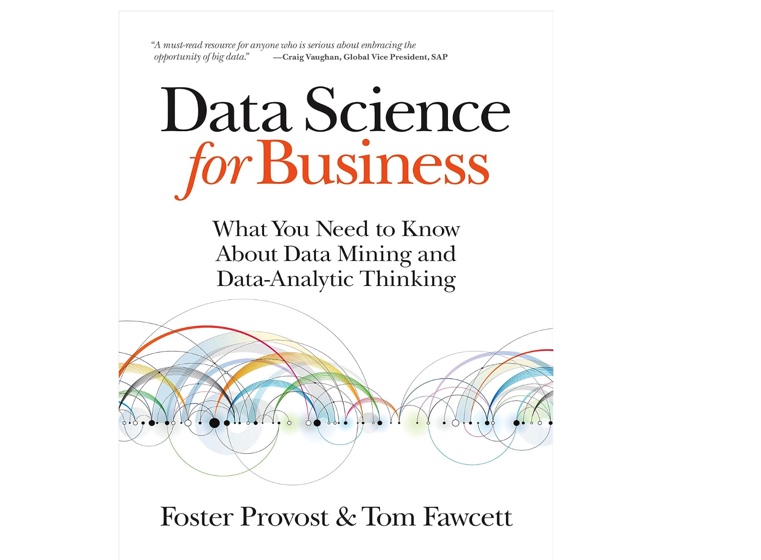
You walk away with a better sense of how analytical thinking works and how to frame problems the way seasoned data teams do. It’s foundational thinking, but with a strong practical tilt.
Data Analytics Made Accessible — Anil Maheshwari
This book is a friendly, big-picture tour of the analytics landscape. It lays out the main tools, workflows, and concepts you’ll encounter as an analyst.
It’s concise, easy to digest, and great for building a mental map of the field before diving deeper.
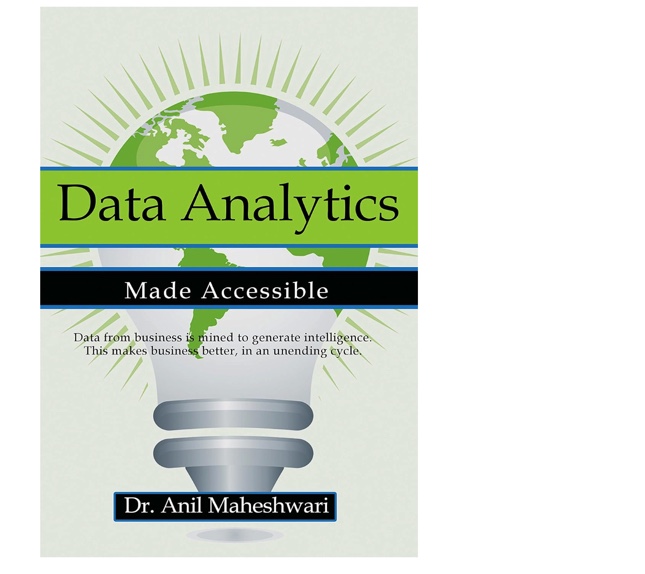
This is the book that helps everything click when you’re trying to connect all the dots (from data cleaning to visualization to storytelling).

Category 2: Mastering Essential Tools and Languages
This is where the real work becomes real. Tools and languages are the day-to-day muscle of a data analyst’s job. That’s the stuff for the daily routine, like cleaning some messy data, slicing through a warehouse table, or hunting for patterns in a notebook.
Such skills aren’t just helpful; they’re the job.
The books in this section focus on rolling up your sleeves and learning how to actually do the work, not just talk about it.
Python for Data Analysis — Wes McKinney
If you’re planning to use Python seriously in your analytics work, it makes sense to learn from the person who created pandas. Wes McKinney gives you a practical, straight-talking walkthrough of how real analysts wrangle, clean, reshape, and analyze data day in and day out.
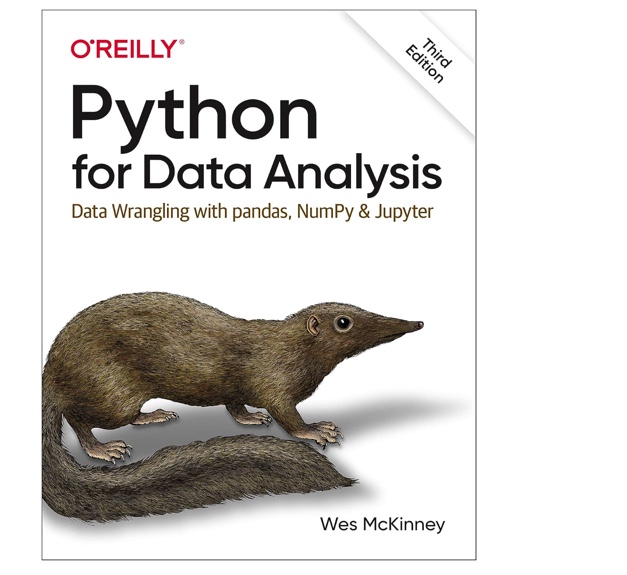
The examples feel like the kind of problems you’d actually run into at work, and you quickly pick up patterns you’ll rely on again and again. For a lot of analysts, this book ends up living permanently on the desk rather than the shelf.
SQL QuickStart Guide — Walter Shields
In this book, Walter Shields explains SQL as the common language of data. Instead of drowning users in theory, he shows how queries, joins, filters, and aggregates work in practice. It’s the stuff that lets you pull answers out of a warehouse without breaking a sweat.
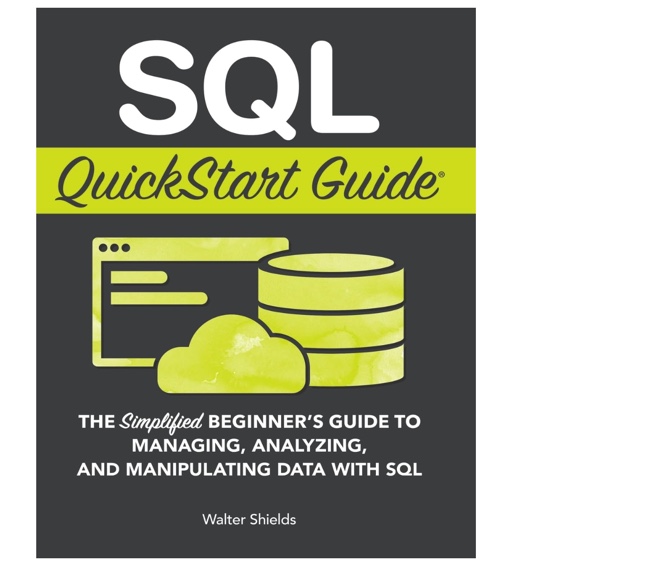
If you’ve ever stared at a long SQL query and wondered how all the pieces fit together, this guide gives you the “aha” moments you’ve been missing.
R for Data Science — Hadley Wickham & Garrett Grolemund
If you’re leaning toward R, this is the book you want in your hands. Wickham and Grolemund introduce you to the Tidyverse—a set of packages designed to make data manipulation and visualization feel clean and expressive rather than clunky.
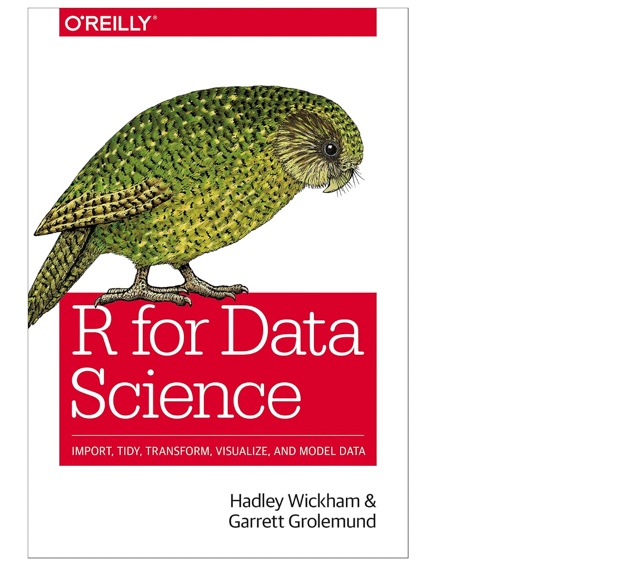
The book reads like a guided tour: how to bring data in, how to clean it, how to visualize it, and how to model it. It’s very much a learn-by-doing approach, which makes it ideal if you prefer picking things up as you go rather than slogging through heavy theory upfront.
Category 3: The Art of Data Storytelling and Visualization
Storytelling and visualization sit at the heart of real-world analytics. Sure, you can run the most sophisticated analysis in the world, but if no one understands it, it won’t move the needle.
This section focuses on the craft of turning raw insights into something people can actually use — clear visuals, intuitive dashboards, and narratives that help teams make better decisions without squinting at a wall of numbers.
Storytelling with Data — Cole Nussbaumer Knaflic
If you want to know how to design visuals that don’t just look good, but genuinely help people understand what’s going on in the data, Storytelling with Data by Cole Nussbaumer Knaflic is the book you need to return to again and again.
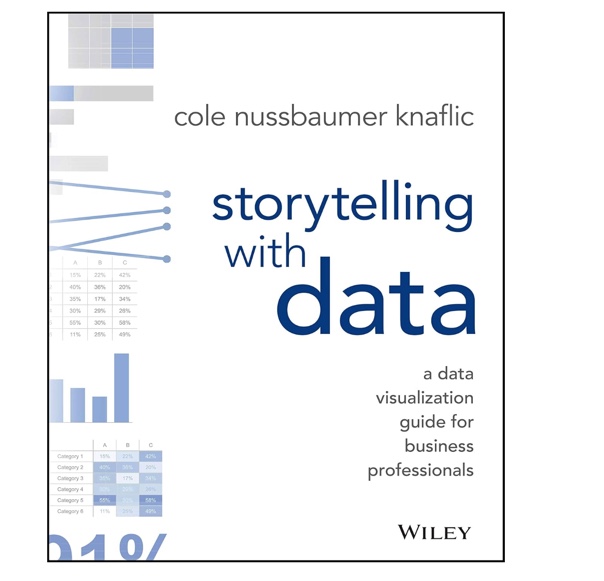
It walks through mistakes we all make, shows how to simplify cluttered charts, and teaches you how to guide your audience’s attention. It’s practical, approachable, and instantly applicable to your next slide deck or dashboard.
The Visual Display of Quantitative Information — Edward Tufte
Tufte’s work is basically the foundation for modern data visualization. This book dives into the principles of graphical excellence (clarity, precision, and efficiency) and shows how great visuals help data speak for itself. It’s more conceptual than tactical, but the mindset you develop from it pays off for years.
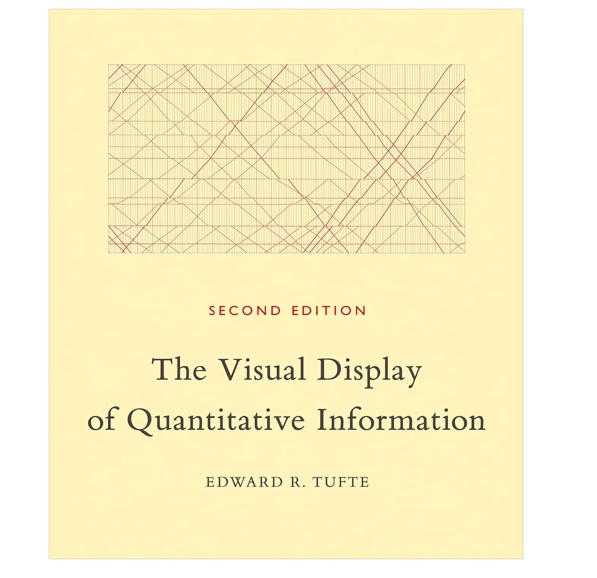
If you want to level up your eye for good design and learn why some charts just “work,” this is the classic worth spending time with.
The Big Book of Dashboards — Steve Wexler, Jeffrey Shaffer, Andy Cotgreave
This one is the hands-on counterpart to the theory. It walks you through what works, what doesn’t, and why. The real business problems are shown on the real dashboards. You’ll find examples for KPIs, operations, finance, and marketing. Every scenario an analyst might touch.
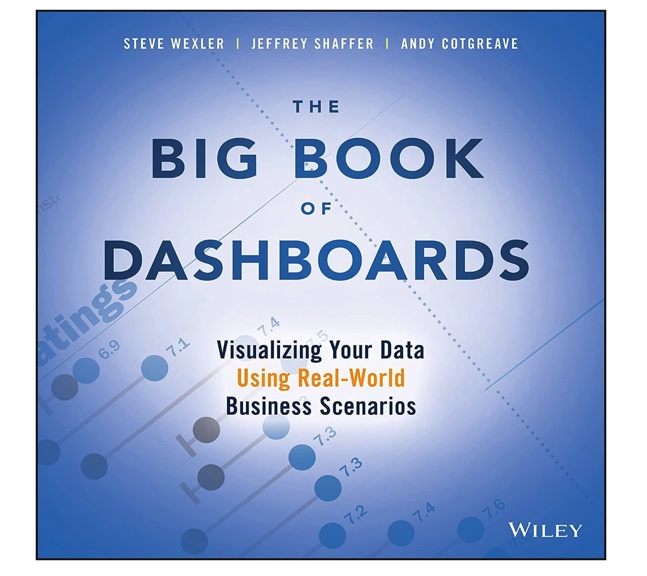
It’s incredibly useful when you need inspiration or want to see how seasoned practitioners approach layout, color, and data selection in a way that drives action.
Category 4: Advanced Analytics and Machine Learning
Once you’re comfortable with the core tools, the natural next step is predictive modeling and machine learning. This is where analysts start stretching into more advanced territory—building models, understanding AI systems, and thinking critically about the impact algorithms have in the real world. These books help you level up without feeling like you’ve been thrown into the deep end.
Hands-On Machine Learning with Scikit-Learn, Keras & TensorFlow — Aurélien Géron
If you want a practical, no-nonsense path into machine learning, Géron’s book is hard to beat. It walks you through everything from linear models to deep neural networks, all using the Python tools most teams use today.
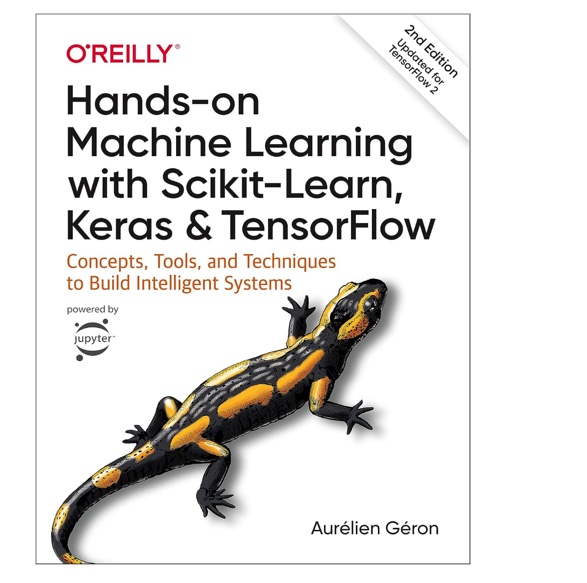
Here, you always know why you’re doing something, not just how. The examples feel grounded, and the explanations are clear. It’s the kind of book you’ll keep open while testing models, tweaking hyperparameters, and building your first real ML pipelines.
Artificial Intelligence: A Guide for Thinking Humans — Melanie Mitchell
It’s worth stepping back to understand what AI actually is and isn’t before diving headfirst into fancy architectures or buzzword-heavy frameworks.
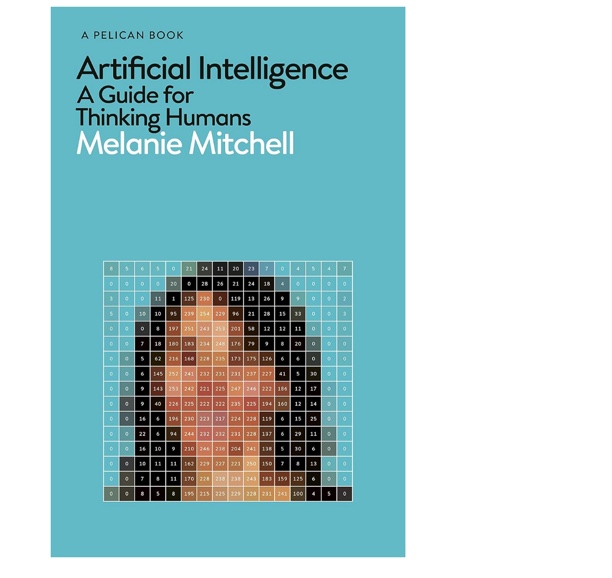
Mitchell does a fantastic job unpacking the core ideas behind modern AI in a way that’s thoughtful, honest, and refreshingly easy to follow. She doesn’t shy away from the complexity, but she explains it in a way that lets analysts form a clear mental map of how today’s systems behave and where their limits are.
Weapons of Math Destruction — Cathy O’Neil
O’Neil’s book shines a bright light on how algorithms can unintentionally cause harm, especially when they’re opaque, unregulated, or deployed without oversight. It’s the “must have” for analysts moving into machine learning to understand the ethical side of the work.
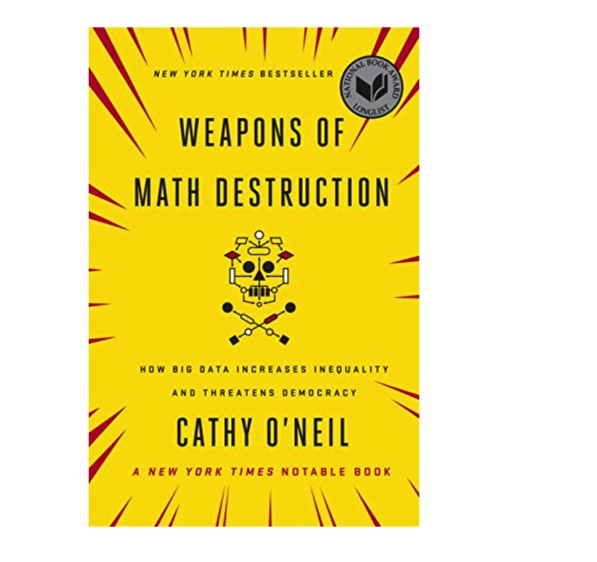
It’s a compelling read that pushes you to think beyond accuracy metrics and consider the broader consequences of the systems we build. A must-read if you want to grow not just as a data professional, but as a responsible one.
Category 5: Career Development and Business Acumen
Technical skills will get you into the game, but understanding the bigger picture—how businesses operate, how people behave, and how to grow your own career—is what really moves you forward. This section pulls together books that help analysts think beyond dashboards and models. These reads sharpen your judgment, broaden your perspective, and help you build a career that lasts.
Build a Career in Data Science — Emily Robinson & Jacqueline Nolis
This is the handbook many of us wish we had earlier in our careers. Robinson and Nolis break down everything from landing your first role to navigating promotions, switching teams, and building healthy work habits. The advice is practical, honest, and drawn straight from real experience.
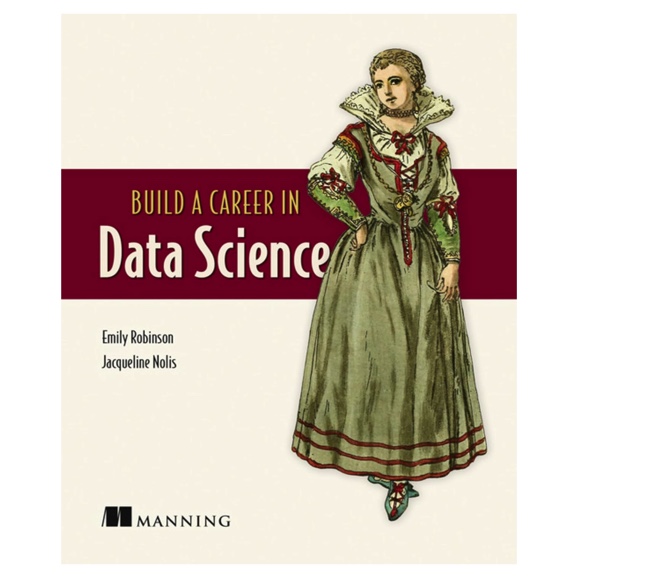
If you’re trying to figure out how to grow in the field or simply want reassurance that others have tackled the same questions, this book is a great companion.
Everybody Lies — Seth Stephens-Davidowitz
A fun and surprisingly eye-opening read, this book digs into what big data reveals about how people actually behave, not how they say they behave. It’s packed with real-world examples pulled from search trends and online behavior, and it does a great job showing how messy, fascinating, and sometimes counterintuitive human data can be.
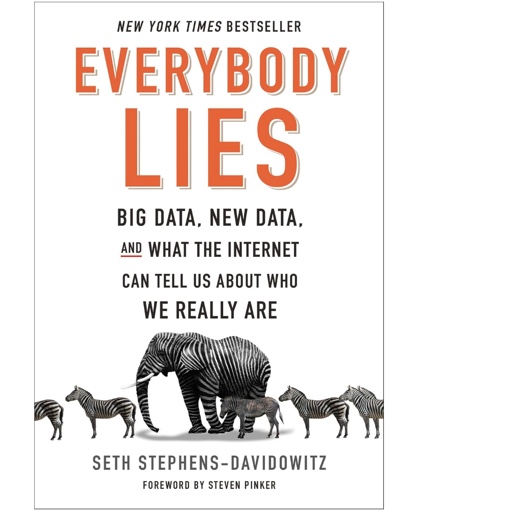
It’s an entertaining reminder that behind every row in your dataset, there’s a real person making unpredictable choices.
Lean Analytics — Alistair Croll & Benjamin Yoskovitz
Lean Analytics is a must-read for anyone who wants to understand how data drives products and businesses forward. The authors walk you through how to identify the right metrics, test ideas quickly, and make decisions that actually move the needle.
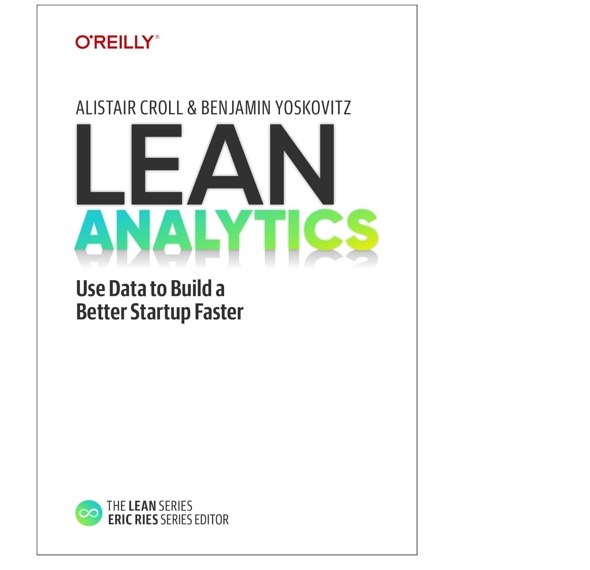
It’s especially useful if you work with product teams or startups, because it shows how analytics fits into the larger business engine. Think of it as a playbook for making smarter, faster decisions with the data you already have.
Conclusion
Each of the books in this guide helps you sharpen your thinking, expand your toolkit, and deliver a little more impact every time you sit down with a dataset.
And once you’ve strengthened those skills, take the next step and see how Skyvia can help you put them to work by effortlessly integrating all your data sources. A sharper skill set plus a unified data stack? That’s where the real magic happens.

F.A.Q. for Top Books for Data Analysts

Which book is considered the best for learning Python for data analysis?
Python for Data Analysis by Wes McKinney is the go-to resource, especially for learning pandas and practical workflows.
How can I improve my data storytelling and visualization skills?
Read Storytelling with Data and The Big Book of Dashboards to learn clear visuals, better narratives, and real-world design tips.
Are there any advanced books for experienced data analysts?
Yes. Try Hands-On Machine Learning, AI: A Guide for Thinking Humans, and Weapons of Math Destruction.
Do I need to read all of these books to get a job as a data analyst?
Not at all. Focus on the books that match your skill gaps. A few strong picks are enough to build job-ready skills.